


-

Add: HeBei ShengShi HongBang Cellulose Technology CO.,LTD.
-

Email
13180486930@163.com -

CONTACT US
+86 13180486930
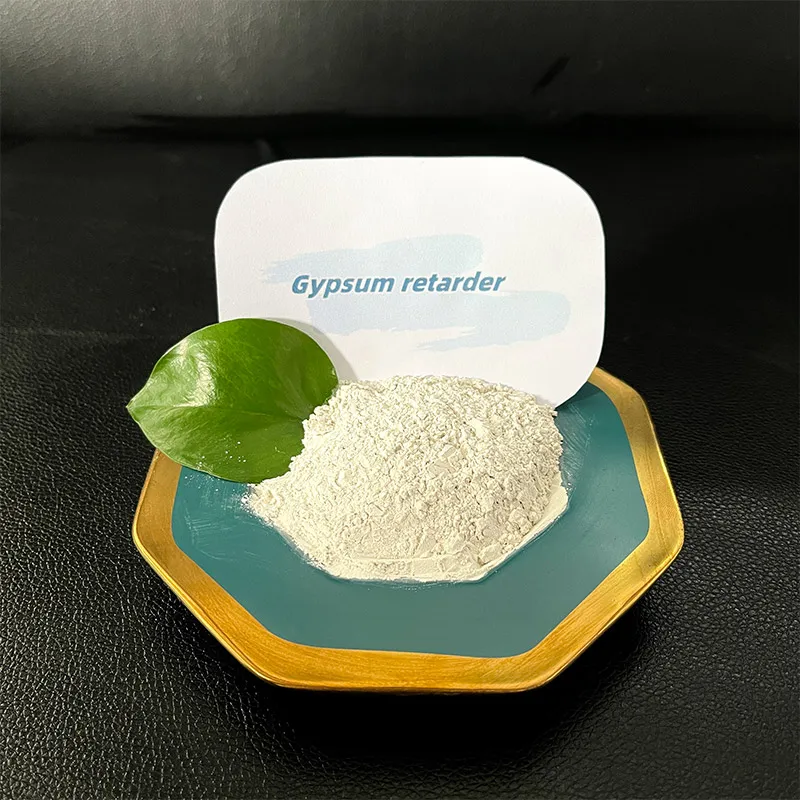



plaster retarder,gypsum retarder,gypsum plaster retarder,gypsum retarder chemical,extra time plaster additive is a key solution in the manufacturing industry, specifically within Chemical raw material and chemical product manufacturing industry and Manufacturing of chemical products for construction. This article explores how HeBei ShengShi HongBang Cellulose Technology CO.,LTD. supports professionals with durable, high-performance products, and explains why this product is an ideal choice for businesses in these sectors. Table of Contents plaster retarder,gypsum retarder,gypsum plaster retarder,gypsum retarder chemical,extra time plaster additive Overview Benefits & Use Cases of plaster retarder,gypsum retarder,gypsum plaster retarder,gypsum retarder chemical,extra time plaster additive in Manufacturing of chemical products for construction Cost, Maintenance & User Experience Sustainability & Market Trends in manufacturing Conclusion on plaster retarder,gypsum retarder,gypsum plaster retarder,gypsum retarder chemical,extra time plaster additive from HeBei ShengShi HongBang Cellulose Technology CO.,LTD. plaster retarder,gypsum retarder,gypsum plaster retarder,gypsum retarder chemical,extra time plaster additive Overview A gypsum retarder—also called a plaster retarder, gypsum plaster retarder, or extra time plaster additive—is a specialty admixture used to control the hydration of calcium sulfate hemihydrate and anhydrite. By moderating nucleation and crystal growth, a gypsum retarder chemical helps formulators extend workable time without sacrificing final set integrity, enabling precise batching, mixing, transportation, and placement across automated and manual processes. For B2B decision makers, the relevance is clear: reliable set-time control underpins line stability, product uniformity, and downstream scheduling. Typical usage occurs at low dosages, adjusted to gypsum type, temperature, and co-additives (e.g., cellulose ethers, starch ethers, and redispersible powders). HeBei ShengShi HongBang Cellulose Technology CO.,LTD. manufactures consistent, construction-grade gypsum retarders designed for easy dispersion in dry-mix or wet systems. Their product engineering focuses on predictable set profiles, compatibility with common binder and filler packages, and stable performance across seasonal temperature swings—critical for high-throughput board lines, premix plasters, and precision interior finishing compounds. In practice, adopting a well-formulated gypsum retarder can reduce rework associated with flash setting, smooth the handoff between mixing and application, and enhance quality control by tightening batch-to-batch variability. These are essential levers for operational excellence in the Manufacturing of chemical products for construction. Benefits & Use Cases of plaster retarder,gypsum retarder,gypsum plaster retarder,gypsum retarder chemical,extra time plaster additive in Manufacturing of chemical products for construction In construction-chemicals manufacturing, a high-quality gypsum retarder is deployed across machine-applied plasters, hand-applied plasters, jointing compounds, gypsum-based wall putties, self-leveling underlayments (gypsum-based), and gypsum block or panel production. The primary function is to extend open time and pot life, securing a controlled set that aligns with production takt times, transport distances, and site conditions. Key advantages include: Predictable set-time extension that scales with dosage, supporting precise production planning. Strong compatibility with cellulose ethers (such as HPMC) for synergistic water retention and workability, maintaining trowelability and finish quality. Low impact on final mechanical performance when used at recommended dosages, helping preserve compressive and flexural strength. Clean mixing behavior and fast wet-out to minimize lumps and improve dispersion in dry-mix plants. HeBei ShengShi HongBang Cellulose Technology CO.,LTD. brings deep formulation know-how to help R&D teams tune retarder dosage alongside rheology modifiers and plasticizers. Their technical support focuses on matching the retarder profile to gypsum type (alpha/beta hemihydrate or anhydrite), ambient temperature, and desired application window—ensuring the extra time plaster additive boosts overall line efficiency and application consistency. Cost, Maintenance & User Experience Total cost of ownership for a gypsum retarder chemical is driven by dosage efficiency, supply consistency, and the operational value of extended workability. When the right retarder is paired with a stable cellulose ether package, manufacturers often experience smoother batching, fewer interruptions due to premature set, reduced scrap, and improved utilization of labor and equipment. These effects can translate into favorable ROI through reduced rework and better throughput. From a handling perspective, modern retarders are designed for clean dosing in automated systems or manual addition to dry blends. Storage requirements are straightforward—keep the product dry and sealed to maintain activity—so “maintenance” is minimal. Feedback from construction-chemical producers often highlights enhanced pumpability, improved edge-to-edge finish, and tighter process control, especially in climates where temperature fluctuations previously led to variable set times. HeBei ShengShi HongBang Cellulose Technology CO.,LTD. supports procurement and operations by offering technical guidance, application notes, and data-driven tuning recommendations. This ensures the user experience—from lab trials to plant scale-up—is predictable, making the transition to the selected gypsum retarder seamless for both production teams and applicators. Sustainability & Market Trends in manufacturing The construction sector is accelerating toward low-waste, high-efficiency processes. Within gypsum systems, a reliable gypsum retarder helps reduce jobsite and factory scrap by providing a consistent working window, enabling right-first-time application and fewer discarded batches. In dry-mix environments, stable retarders support lean manufacturing and better resource utilization across packaging, logistics, and application. Market trends also include the growth of mechanized plastering, modular interior systems, and digitized plant control. Retarders must therefore deliver reproducible performance across automated dosing, variable ambient temperatures, and diverse regional raw materials. HeBei ShengShi HongBang Cellulose Technology CO.,LTD. aligns with these trends by engineering gypsum plaster retarders that integrate smoothly with modern formulations (HPMC, RDP, fillers) and by providing documentation such as Safety Data Sheets and technical guidance to help customers meet local safety and indoor-air requirements. As environmental expectations rise, choosing a well-tuned extra time plaster additive is a practical pathway to lower waste and better productivity—outcomes that bolster both sustainability and profitability in Manufacturing of chemical products for construction. Conclusion on plaster retarder,gypsum retarder,gypsum plaster retarder,gypsum retarder chemical,extra time plaster additive from HeBei ShengShi HongBang Cellulose Technology CO.,LTD. For manufacturers and contractors, a high-performance gypsum retarder is more than a set-time modifier—it is a process stabilizer that safeguards quality, throughput, and labor efficiency. HeBei ShengShi HongBang Cellulose Technology CO.,LTD. delivers dependable plaster retarder solutions that integrate with modern gypsum formulations, offering predictable open time, clean mixing, and consistent results across seasons and sites. Ready to optimize your gypsum systems with a proven extra time plaster additive? Contact us: email: 13180486930@163.com. Visit our website: https://www.sshbhpmc.com
- 40000tons

Production
- 20+years

Experience
- 5000+㎡

Acreage

-

Hydroxypropyl Methylcellulose (HPMC) has emerged as a crucial ingredient in various industries, with China being one of the leading suppliers globally. This versatile compound, commonly utilized in pharmaceuticals, construction, and food products, plays a pivotal role in enhancing product performance and stability. As a seasoned SEO expert, uncovering the depth of HPMC in China can enrich the industry's understanding and application of this powerhouse product. In the pharmaceutical sector, HPMC is indispensable due to its film-forming and gel-forming capabilities. It functions as a binder, film-coating agent, and controlled-release agent in tablets and capsules. Chinese HPMC manufacturers have honed their expertise to produce high-purity, consistent quality cellulose ethers that meet stringent international standards. These advancements not only ensure the safety and efficacy of pharmaceutical products but also encourage innovation in drug formulation and delivery systems. The construction industry benefits significantly from HPMC's properties. Used as an essential additive in cement-based mortars and plasters, HPMC enhances workability, water retention, and open time. Chinese producers have developed specific grades of HPMC tailored for dry-mix and wet-mix applications, ensuring optimal performance across varied environmental conditions. The adaptability of HPMC in enhancing adhesion, reducing water demand, and improving surface finish underscores its indispensability in modern construction. In food products, HPMC serves as an effective emulsifier, stabilizer, and thickener. The evolution of dietary habits and the growing demand for gluten-free and vegetarian options have spurred the need for reliable food-grade HPMC. Chinese manufacturers have responded with rigorous quality control processes that guarantee the safety and consistency of their HPMC offerings. This commitment to excellence fosters confidence among global food producers seeking to deliver innovative consumer products. hpmc china The success of HPMC production in China can be attributed to several factors . The availability of abundant raw materials, coupled with a well-established industrial infrastructure, allows Chinese companies to maintain competitive pricing without compromising on quality. Furthermore, investment in research and development has enabled these companies to produce a broad spectrum of HPMC derivatives that cater to specific industry requirements. By engaging in continuous innovation and quality improvement, Chinese HPMC manufacturers have established a reputation for expertise and reliability in the global market. For businesses seeking to leverage HPMC's capabilities, collaborating with Chinese suppliers presents an opportunity to access cutting-edge technology and top-tier products. The transparency and trustworthiness demonstrated by these suppliers in adhering to international certifications and environmental standards provide additional assurance of their suitability as long-term partners. Ensuring an ethical and sustainable supply chain is paramount, and Chinese manufacturers have shown commitment to these principles, enhancing their standing in the global marketplace. As the demand for HPMC continues to grow across various sectors, fostering a deeper understanding of its applications and benefits is crucial. Companies that recognize the strategic importance of sourcing high-quality HPMC from reputable Chinese suppliers are positioned to enhance their product offerings and maintain a competitive edge. By prioritizing experience, expertise, authoritativeness, and trustworthiness, these companies can maximize the potential of HPMC, driving innovation and growth in their respective industries.
-

In the world of industrial applications, particularly in the realm of pharmaceuticals and construction, two polymers often come to the forefront Hydroxyethyl Cellulose (HEC) and Hydroxypropyl Methylcellulose (HPMC). Both are cellulose derivatives, but their distinct properties and applications make choosing between them a critical decision based on specific project requirements. HEC is favored in scenarios where high levels of water retention and thickening are paramount . This makes it ideal for use in paint formulations, where it acts as a rheology modifier, ensuring a smooth application and consistent pigment distribution. Moreover, in the construction industry, HEC finds its role in tile adhesives and cement-based mortars, enhancing workability and open time. Its water-retentive abilities allow for extended working times and prevent rapid drying, which is crucial for optimum setting and bonding. In contrast, HPMC is often chosen for its superior film-forming capabilities and its ability to withstand higher temperatures, making it indispensable in the pharmaceutical industry. Used as a binder and controlled-release agent in tablet formulations, HPMC ensures the stability and efficacy of medications over time. Additionally, in building and construction applications, HPMC's robust adhesive properties and resistance to environmental conditions make it an excellent choice for rendering and plastering tasks. A deep dive into the synthesis of these polymers reveals that HEC is derived by reacting ethylene oxide with alkali cellulose, while HPMC is produced by the reaction of alkali cellulose with propylene oxide and methyl chloride. These reactions imbue each polymer with its unique characteristics, influencing their solubility, viscosity, and thermal stability. For example, HEC dissolves readily in water, forming clear solutions, whereas HPMC requires a more gradual introduction to water, with full hydration enhancing its thickening efficiency. hec vs hpmc From an expert perspective, the choice between HEC and HPMC should be guided by the specific conditions of use. In a project with fluctuating temperatures or one requiring a protective film, HPMC's thermal resilience is unmatched. On the other hand, when dealing with formulations where prolonged moisture retention is critical, as seen in certain adhesive applications, HEC stands out with its exceptional hydrophilicity. Authoritative studies have supported the use of HPMC in pharmaceutical coatings where consistency and reliability are non-negotiable due to its non-toxic nature and FDA approval for direct contact with food and drugs. Similarly, trust in HEC is evident in its long-standing use in latex paint systems, where its compatibility and stability ensure a prolonged shelf-life and superior application properties. Ultimately, the decision between HEC and HPMC hinges on a nuanced understanding of the end-use environment and desired performance outcomes. Leveraging the profound expertise inherent in these materials allows industry professionals to make informed, authoritative choices, enhancing both the quality and efficiency of their products.
advantages
-

200000 Viscosities
Excellent product
We can produce pure products up to 200,000 viscosities
-

40000 tons
High yield
We don’t stop production all year round, and the annual output can reach 40,000 tons
-

24 hours
Quality service
We provide 24-hours online reception service, welcome to consult at any time
———— Inquiry Form
Schedule A services

-
 hpmc_stock
Oct . 25, 2025
Hemp polypropylene is rapidly gaining traction in the materials industry as an innovative and sustai -
 hydroxypropyl_methylcellulose_uses_in_cosmetics
Oct . 25, 2025
Exploring the Intricacies and Applications of HPMC Coating HPMC, or Hydroxypropyl Methylcellulose, c -
 hpmc_polymer
Oct . 25, 2025
Delving into the realm of skincare often feels like navigating a maze, replete with a plethora of in


